
Accurate medical coding is vital. It makes sure you get paid correctly, stay compliant, and keep patient records clear. Even small…

Accurate medical coding starts with accurate provider documentation. Every code on a claim comes from what is written in the patient…

Choosing the principal diagnosis the right way protects accuracy, reimbursement, and quality scores. It keeps audits smooth and cuts…

Prior authorization delays frustrate both providers and patients. What should be a simple approval often turns into a long process…

Choosing the primary diagnosis should be simple, clear, and defensible. The primary diagnosis tells the payor why the patient was…
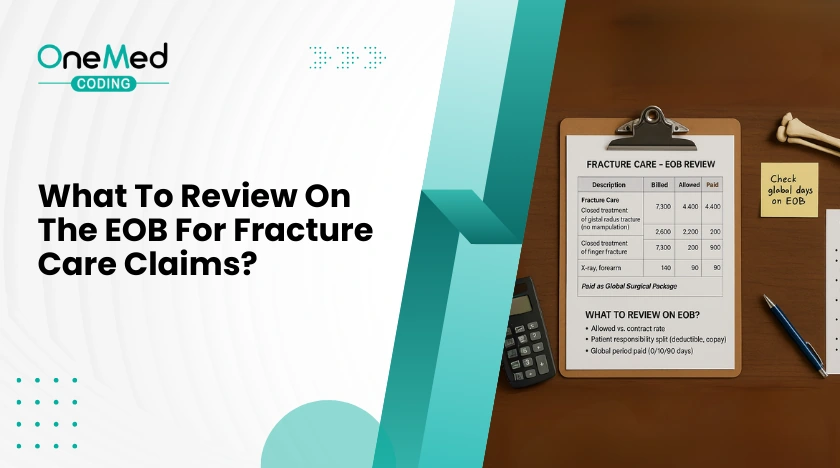
Reviewing the Explanation of Benefits, or EOB, is one of the fastest ways to spot coding and billing issues in fracture care. The…
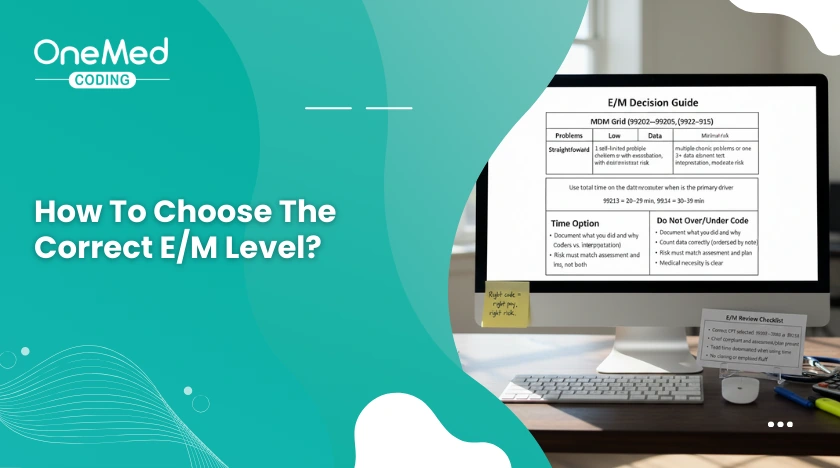
Choosing the right E/M level should feel clear, not confusing. This guide shows you how to pick the correct level without overcoding…
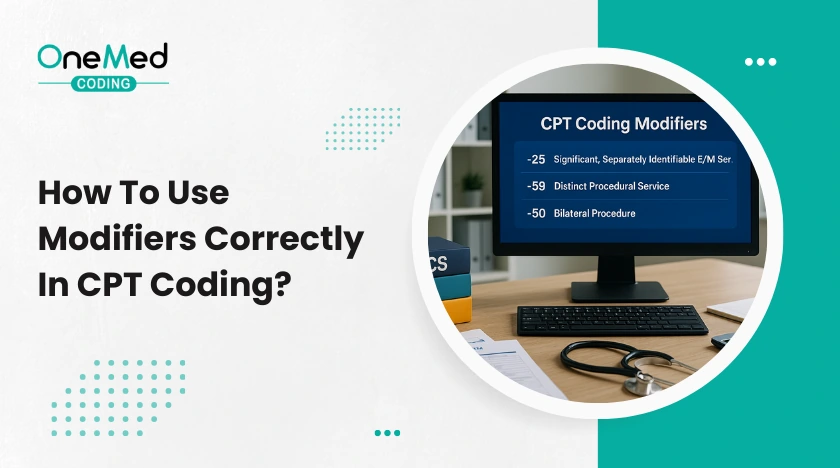
Introduction CPT codes are essential for medical billing, but they don’t always provide the complete picture on their own. That’s…
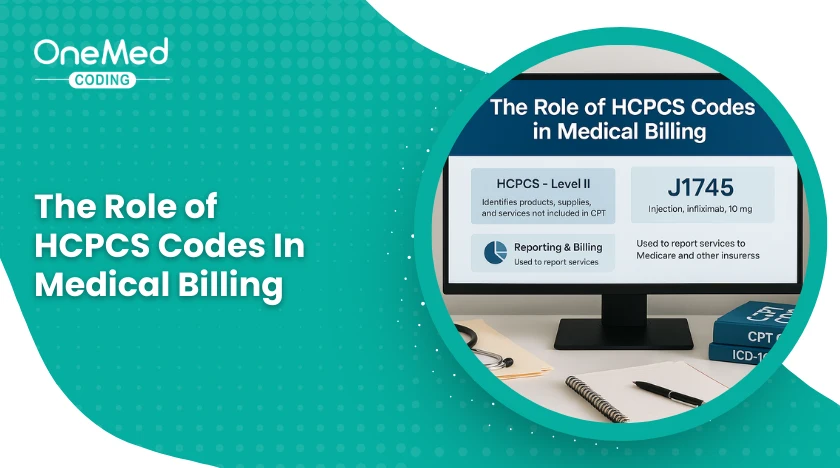
Introduction Medical billing relies heavily on standardized codes that inform payers about the services, procedures, or supplies that…
Introduction Medical coding goes beyond just slapping numbers on diagnoses and procedures. It’s the vital language that communicates…

Introduction The U.S. healthcare system is gradually shifting from a fee-for-service model to one focused on value-based care (VBC).…
